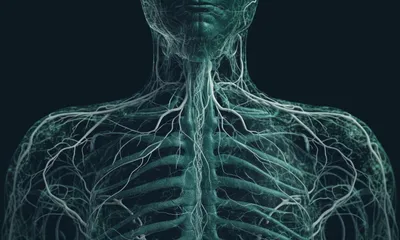
Deep breathing is a bridge between our conscious and subconscious mind. By focusing on the breath, we activate the parasympathetic nervous system, often called the “rest and digest” system. This calms the body’s stress response, bringing our heart rate and blood pressure to more peaceful levels. In this calm state, we’re better able to process our emotions, bringing balance to the mind and creating space to respond rather than react.
When we use deep breathing for emotional regulation, we do more than reduce stress—we cultivate a practice that brings clarity, improves resilience, and strengthens our connection with ourselves. Regular deep breathing has shown to enhance mental focus, improve digestion, support immune function, and even boost creativity.
Now, let’s look at five effective techniques that can help bring stress relief while offering other valuable health and mind benefits.
Diaphragmatic (belly) breathing
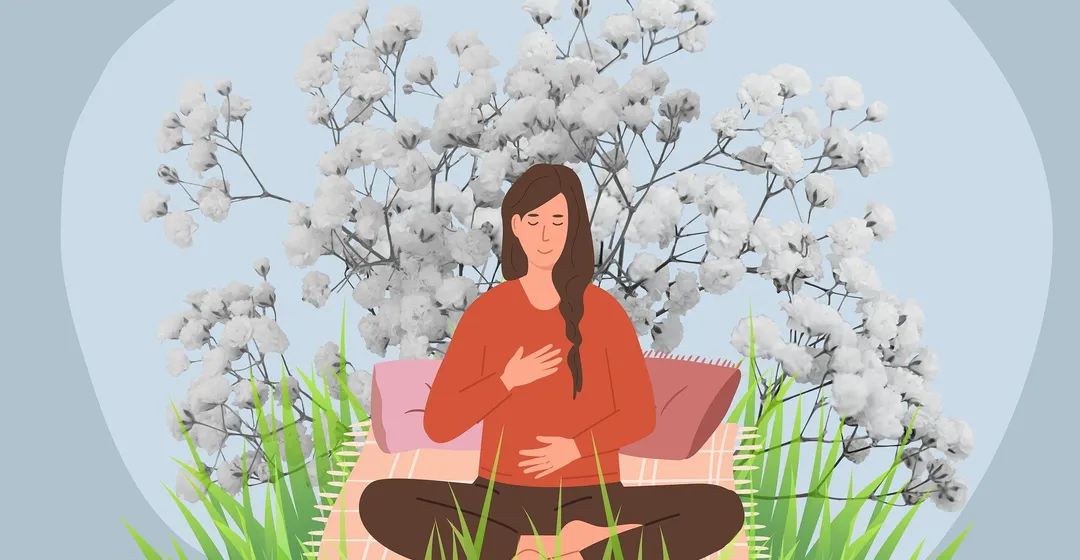
This is the foundation of deep breathing and an essential practice to master. Diaphragmatic breathing, or belly breathing, involves engaging the diaphragm fully, allowing the lungs to expand and letting the belly rise and fall.
How to practice belly breathing
- Sit comfortably or lie down
- Place one hand on your chest and the other on your belly
- Inhale deeply through the nose, letting your belly rise while keeping your chest still
- Exhale slowly, feeling the belly fall
Benefits of belly breathing beyond stress relief
- Improves Lung Efficiency: Deep breathing strengthens the diaphragm, supporting respiratory health and increasing oxygen supply.
- Enhances Digestion: Diaphragmatic movement gently massages the abdominal organs, aiding digestion.
- Balances Energy: This practice helps regulate energy levels, reducing feelings of fatigue and encouraging restful sleep.
Box Breathing (rhythmic breathing)
Box breathing is a powerful technique used by athletes and those in high-stress environments to maintain calm focus. This technique involves equal lengths of inhaling, holding, exhaling, and pausing, which creates a sense of grounded balance.
How to practice rhythmic breathing
- Inhale deeply for a count of 4
- Hold the breath for 4 counts
- Exhale for 4 counts
- Pause at the bottom of the exhale for another 4 counts
- Repeat for 5-10 cycles, or longer if you desire
(You may also practice this with longer hold and exhaling periods: 4-8-8-8 or more for example)
Benefits of rhythmic breathing beyond stress relief
- Increases Mental Clarity: By balancing breath, this method stabilizes brainwave patterns, promoting mental focus and clarity.
- Supports Heart Health: This controlled breathing lowers heart rate and blood pressure, strengthening cardiovascular health.
- Encourages Emotional Resilience: Box breathing helps manage intense emotions, cultivating emotional resilience over time.
4-7-8 Breathing
Created by Dr. Andrew Weil, this technique is designed to relax the nervous system and is especially effective for calming anxiety or aiding sleep.
How to practice 4-7-8 breathing
- Inhale quietly through the nose for 4 counts
- Hold your breath for 7 counts
- Exhale completely through the mouth for 8 counts, making a soft “whooshing” sound
- Repeat for four cycles
Benefits of 4-7-8 breathing beyond stress relief
- Improves Sleep Quality: The elongated exhale activates the body’s relaxation response, making this an excellent pre-sleep practice.
- Boosts Concentration and Memory: By balancing oxygen and carbon dioxide in the body, this technique sharpens mental clarity and memory.
- Promotes Emotional Balance: Regular practice enhances emotional regulation, reducing the intensity of overwhelming emotions.
Alternate Nostril Breathing (Nadi Shodhana)
This ancient yogic practice, known as Nadi Shodhana or alternate nostril breathing, is revered for balancing energy channels, calming the mind, and cultivating inner harmony.
How to practice Nadi Shodhana
- Sit comfortably, close your right nostril with your right thumb.
- Inhale slowly through your left nostril.
- Close your left nostril with your ring finger, release your right nostril, and exhale through the right.
- Inhale through the right nostril, close it, and exhale through the left.
- Repeat for several minutes, ending on an exhale from the left nostril.
Benefits of Nadi Shodhana beyond stress relief
- Balances Left and Right Brain: This technique synchronizes both hemispheres of the brain, enhancing mental clarity and balance.
- Purifies Energy Channels: Alternate nostril breathing clears energy pathways, promoting vitality and improving focus.
- Boosts Respiratory Health: The controlled breathing strengthens respiratory function and increases oxygen intake.
Bhramari (bee breath)
Bhramari, or Bee Breath, is named after the humming sound that bees make. This technique is particularly effective for calming the mind and is often used to reduce anxiety and prepare the mind for meditation.
How to practice Bhramari
- Sit in a comfortable position.
- Close your eyes and take a few normal breaths.
- Inhale deeply, and as you exhale, make a gentle humming sound like a bee.
- Feel the vibration resonate throughout your head and body.
- Repeat this for 5-10 rounds, allowing the vibration to soothe the mind.
Benefits of Bhramari beyond stress relief
- Relieves Tension and Headaches: The gentle vibration of Bhramari relaxes tension in the head and can ease headaches.
- Improves Focus and Concentration: The sound vibration brings the mind into a meditative state, helping improve concentration.
- Supports Immune Health: Regular practice has been shown to reduce inflammation markers, potentially boosting immune function.
Integrating Deep Breathing into Daily Life
Integrating these practices into daily life doesn’t require much time – just a few minutes can bring a powerful shift. Consistency is key; as you practice, you’ll find it easier to tap into these techniques when stress arises. You might start with diaphragmatic breathing in the morning, use box breathing before a challenging task, practice 4-7-8 breathing before sleep, alternate nostril breathing when feeling unbalanced, and Bhramari to center your mind before meditation.
Remember, each breath is a gift of life and an opportunity to center, to calm, and to nurture yourself from within. Through these practices, we cultivate peace, resilience, and clarity, transforming our daily experience and bringing more joy and balance to our lives. Embrace these breaths as a daily ritual, and let them be your companions in your journey to health and inner peace.
Recommended breathing courses
- SOMA Breath with Niraj Naik — a 14-day programme aimed at healing, bliss and peak performance.
- Breath is Life: Breathwork & Meditation — a structured course for building a daily breathing practice.
- The Power of Breath: Yoga for Everyday Life — a Merigar course in the Dzogchen tradition.
Some course links above are affiliate links: Born To Be Free may earn a commission if you enrol, at no extra cost to you. See our affiliate disclosure.